Blog
Amazon Return Pallets: The Ultimate Blueprint Resellers Need to Know For Massive Profits

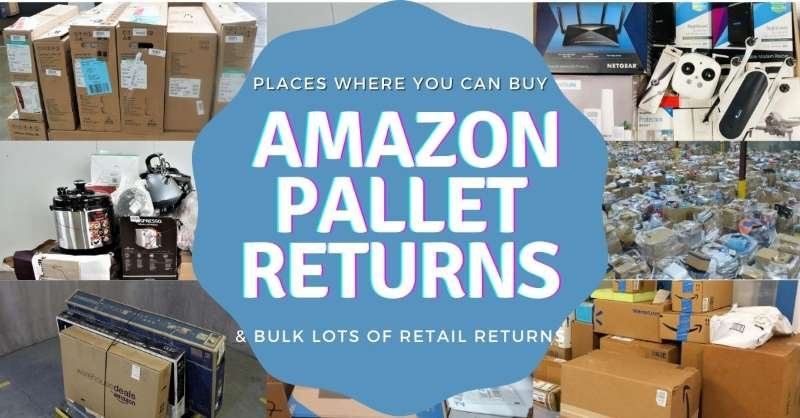
Amazon Return Pallet: The Ultimate Blueprint Resellers Need to Know
The allure of buying bulk inventory for pennies on the dollar has turned wholesale retail arbitrage into one of the fastest-growing e-commerce business models. If you have spent any time researching side hustles, you have inevitably come across the concept of flipping liquidation lots. But behind the exciting unboxing videos lies a complex, fast-moving supply chain.
When major online marketplaces process millions of customer returns, they face a logistical nightmare. Inspecting, repackaging, and restocking every single open-box item costs more in labor and warehouse real estate than the inventory is often worth. To solve this, major retailers bundle these items onto massive wooden skids, wrap them in plastic, and liquidate them to secondary buyers.
For driven entrepreneurs, mastering this sourcing method is the key to unlocking massive profit margins. However, entering this market blindly is a quick way to lose your initial investment. This comprehensive guide breaks down Amazon Return Pallets: Everything Resellers Need to Know to navigate the market safely, source from reputable suppliers, and maximize conversion rates on your resale channels.
The Landscape of Retail Liquidation
To run a profitable flipping business, you must first understand the inventory ecosystem. The secondary market is flooded with various types of liquidation stock, and knowing exactly what you are bidding on will save you from costly purchasing mistakes.
- Customer Returns: These items make up the bulk of the liquidation market. They are products sent back by consumers for a variety of reasons (e.g., buyer’s remorse, wrong size, or minor defects). The physical condition ranges from pristine, unopened boxes to items that are heavily used or missing vital accessories.
- Overstock Lots: These are brand-new, factory-sealed items that retailers over-ordered. When a product line is discontinued or seasonal demand drops, companies clear out their warehouses to make room for fresh merchandise. Overstock lots offer the highest predictability but carry a higher upfront cost.
- Shelf Pulls: Items that were once displayed in a brick-and-mortar storefront but were removed due to packaging updates, minor cosmetic shelf-wear, or slow sales. The goods are generally functional and unused.
For anyone looking into Amazon Return Pallets: Everything Resellers Need to Know, navigating the customer returns category is your highest-leverage skill. Because Amazon’s return policy is highly consumer-friendly, these pallets contain an incredibly diverse mix of high-value goods and raw merchandise, offering massive hidden value for diligent flippers.
How the Liquidation Supply Chain Works
Many beginners assume they can buy directly from a retail giant’s local warehouse door. In reality, the liquidation industry utilizes a multi-tiered distribution network. Understanding where you sit in this supply chain ensures you don’t overpay for your stock.

Tier 1: The Corporate Source
Every week, massive fulfillment centers accumulate thousands of broken, opened, or unwanted items. Because these companies are optimized for high-speed outbound shipping rather than meticulous item inspection, they aggregate these goods into regional sorting hubs and load them into 53-foot freight trailers.
Tier 2: The Primary Liquidator
The corporate source sells these massive truckloads under strict bulk contracts to established primary liquidators. These wholesale liquidation companies possess the warehouse space, logistics networks, and capital necessary to buy dozens of truckloads simultaneously. They transport the trailers to their own facilities, where they break down the bulk freight into individual pallets or smaller sorted lots for independent buyers.
Tier 3: The Reseller
This is where independent flippers, online store owners, and local warehouse businesses step in. By buying individual units or specialized categories from trusted liquidators, resellers take on the labor of sorting, testing, and cleaning the merchandise before selling individual items to the general public.
Sourcing Strategies: Where to Buy Legitimate Pallets
Finding reliable inventory is the most critical hurdle in your reselling journey. To avoid scams and low-quality product pools, you should restrict your sourcing to verified, professional liquidation channels.
T&G Pallet Liquidation
For resellers seeking transparent, high-value inventory without corporate red tape, T&G Pallet Liquidation stands out as an industry leader. They buy massive wholesale truckloads directly from top-tier online platforms, breaking them down into highly accessible, profit-ready individual lots. By focusing on authentic, raw customer returns and general merchandise, T&G Pallet Liquidation ensures that independent flippers have a reliable supply chain of quality goods with real, verifiable resale value.
Corporate Auction Networks
Platforms like B-Stock Solutions operate private, business-to-business auction marketplaces on behalf of major retailers. These networks allow you to bid directly on bulk stock straight from corporate fulfillment centers. However, these platforms typically require a registered business license (resale certificate) and require buyers to arrange their own complex freight logistics.
Traditional Wholesale Marketplaces
Websites such as Direct Liquidation and Liquidation.com provide user-friendly digital storefronts where beginners and intermediate flippers can purchase smaller lots or individual pallets. These platforms offer a wide variety of manifested and unmanifested inventory options, making it easier to match your purchases with your current capital limits.
Maximizing Profit Margins: The Resale Execution
Flipping wholesale merchandise is a numbers game where your operational efficiency dictates your net returns. To hit a target profit margin of 20% to 40%, follow a strict processing checklist:
| Phase | Action Item | High-Value Focus |
| 1. Immediate Sort | Unbox the entire pallet and group items by product category. | Identify high-ticket items immediately to prioritize your labor. |
| 2. Technical Testing | Clean up dust, inspect packaging, and test all mechanical/electronic functions. | Be completely transparent about an item’s condition to protect your seller ratings. |
| 3. Pricing Analysis | Check historical “Sold” listings on major online marketplaces (not just active asking prices). | Set competitive pricing (typically 30% to 40% below retail MSRP) to maintain fast inventory turnover. |
| 4. Multi-Channel Listing | Deploy items across specialized resale channels based on weight and target audience. | Sync inventory across platforms to capitalize on varied buyer demographics. |
Choosing Your Sales Platforms
To maximize conversion rates, match your inventory categories to the right digital or physical storefronts:
- eBay: The premier channel for small electronics, collectible vintage items, replacement parts, and items requiring global shipping reach.
- Amazon (FBA/FBM): Best suited for pristine overstock or shelf-pull items where you can leverage automated shipping fulfillment, provided your seller account is cleared to sell those specific brands.
- Local Marketplaces (Facebook Marketplace, OfferUp): Crucial for heavy, bulky items like power tools, patio furniture, large home appliances, and fitness equipment. Selling locally eliminates expensive freight logistics and marketplace transaction fees.
- Specialized Apps (Poshmark, Mercari): Ideal for apparel lots, shoes, cosmetics, and lifestyle designer goods found on premium retail pallets.
Navigating Risks and Hidden Costs
While the financial upside of the surplus inventory trading market is undeniable, treating this business like a guaranteed lottery ticket is a dangerous mistake. Long-term profitability requires managing three critical risk factors:
The Reality Check: A percentage of every raw customer return lot will be completely unsellable. Factor a 15% to 30% item loss directly into your business plan before buying inventory.
1. The Threat of Cherry-Picked Stock
The most common trap for new resellers is buying from unverified, third-party brokers who engage in “cherry-picking.” These dishonest operators open pristine retail pallets, remove the high-end electronics and valuable designer goods, replace them with low-value junk or broken store returns, and re-wrap the pallet to sell to unsuspecting beginners. Sourcing from reputable providers like T&G Pallet Liquidation is the most effective way to safeguard your investment against this practice.
2. Freight and Liftgate Shipping Expenses
A pallet priced at an affordable $350 can quickly become a financial burden if you do not calculate shipping logistics. Freight carriers charge significant surcharges for residential deliveries, liftgate usage, and limited-access locations. If shipping fees match or exceed the cost of your inventory, your potential profit margins will vanish before you even open a box.
3. Space and Storage Overhead
A standard retail pallet stands up to 7 feet tall and weighs hundreds of pounds. Processing this amount of inventory requires dedicated physical workspace. If you do not have a secure garage, a basement, or a commercial warehouse space, your home will quickly become overwhelmed by boxes, increasing your stress and hindering your processing speed.
Pro Tips for Sustainable Resale Growth
- Master the Manifest: A manifest is the inventory spreadsheet listing the contents of a pallet. Never buy an auction lot based solely on the total retail MSRP. Instead, locate the top 3 to 5 highest-value items, look up their actual, current market value in used condition on eBay, and ensure those items alone cover the cost of the pallet and shipping.
- Start Small and Scale: Do not invest thousands of dollars into a full freight truckload on your first day. Start with individual boxes, local liquidation warehouses, or specialized mini-lots to refine your testing, photography, and listing systems without overextending your capital.
- Monetize the Scrap: Never throw away a broken item without checking its secondary value. Missing parts, power cords, and internal components from broken electronics or small appliances can often be harvested and sold individually to buyers looking for exact replacements, turning potential trash into pure profit.
Frequently Asked Questions
Are liquidation pallets genuinely profitable?
Yes, but profitability requires strategic sourcing and hands-on labor. Professional resellers maintain healthy businesses by accurately factoring in defective inventory rates, shipping surcharges, platform fees, and packaging costs into their initial bidding formulas.
How much does it cost to buy a single retail return pallet?
Pricing depends directly on the quality, category, and completeness of the merchandise. General merchandise or raw clothing pallets can range from $150 to $500, while highly sought-after, fully manifested electronics or major name-brand tool pallets can easily range from $1,000 to over $3,500.
Do I need a resale certificate to buy liquidation stock?
While some direct primary corporate auction portals strictly require a registered business license or tax resale certificate to buy tax-free, many dedicated wholesale suppliers allow independent flippers and individuals to purchase pallets directly for personal or business resale use.
What is the difference between a manifested and an unmanifested pallet?
A manifested pallet includes a detailed line-item spreadsheet showing exactly what products, quantities, and estimated retail values are inside the lot. An unmanifested pallet is sold blindly with only a general category description, offering higher risk but a lower entry price point for experienced buyers.
Ready to Claim Your Share of the Liquidation Market?
Now that you have the blueprint to navigate retail liquidation, the next step is choosing a sourcing partner you can actually rely on. Don’t risk your capital on cherry-picked lots or blind gamble auctions.
At T&G Pallet Liquidation, we bridge the gap between retail giants and independent resellers. We secure authentic, high-value overstock and customer return truckloads directly from top-tier platforms, breaking them down into transparent, profitable lots designed to give your resale business the highest possible margins.
Whether you are looking to kickstart a profitable side hustle or fill the shelves of your growing e-commerce storefront, we have the quality inventory you need to succeed.
👉 Explore Our Detailed Pallet Collection Today!
Amazon Pallets
-
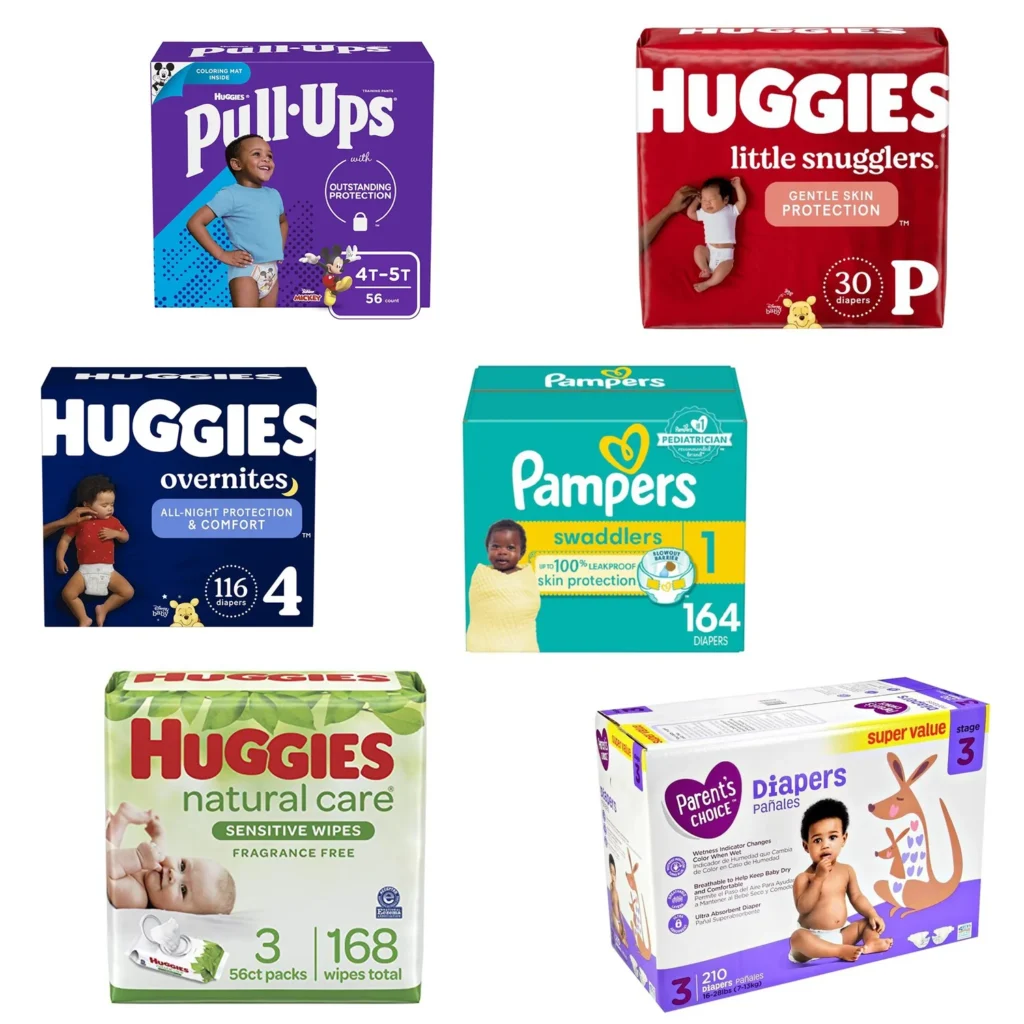
Amazon Mixed Baby Diaper
$1,450.00 -
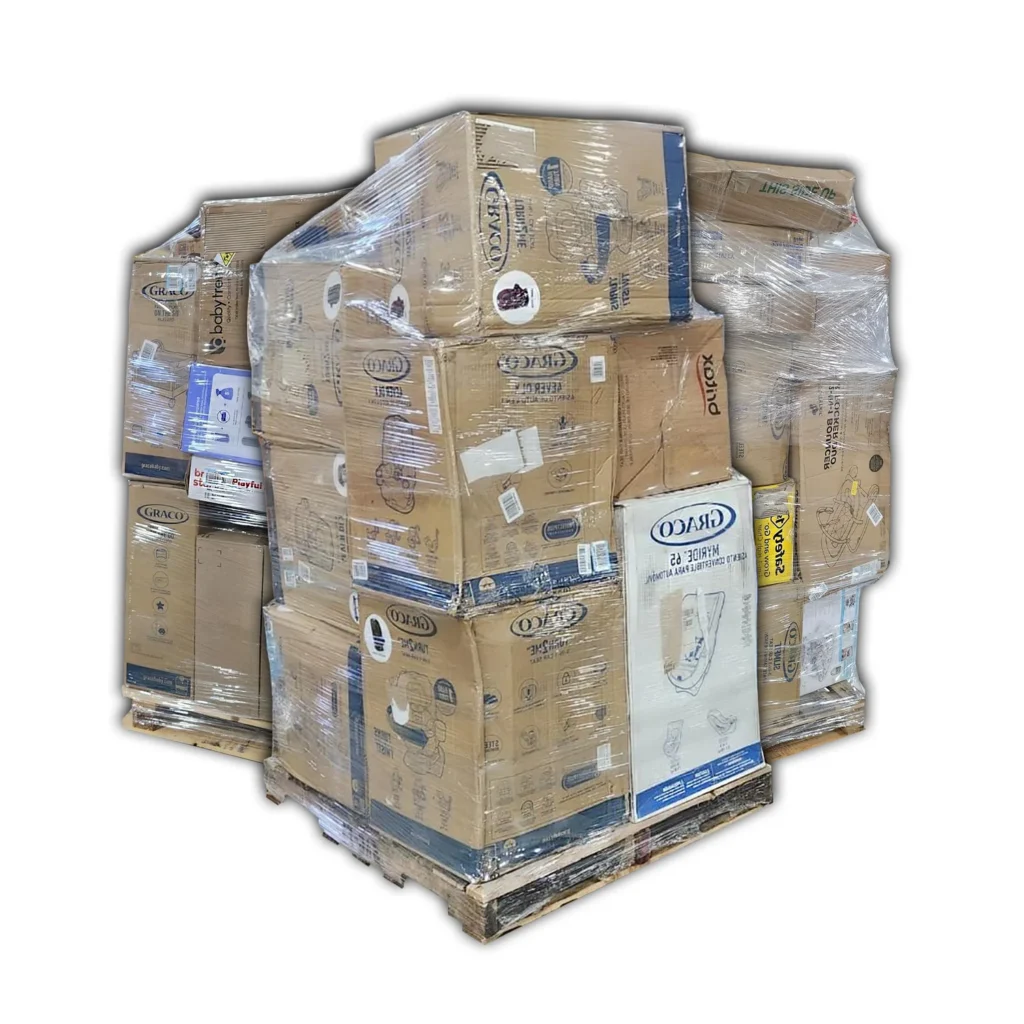
Amazon Mixed Baby Merchandise
$650.00 -
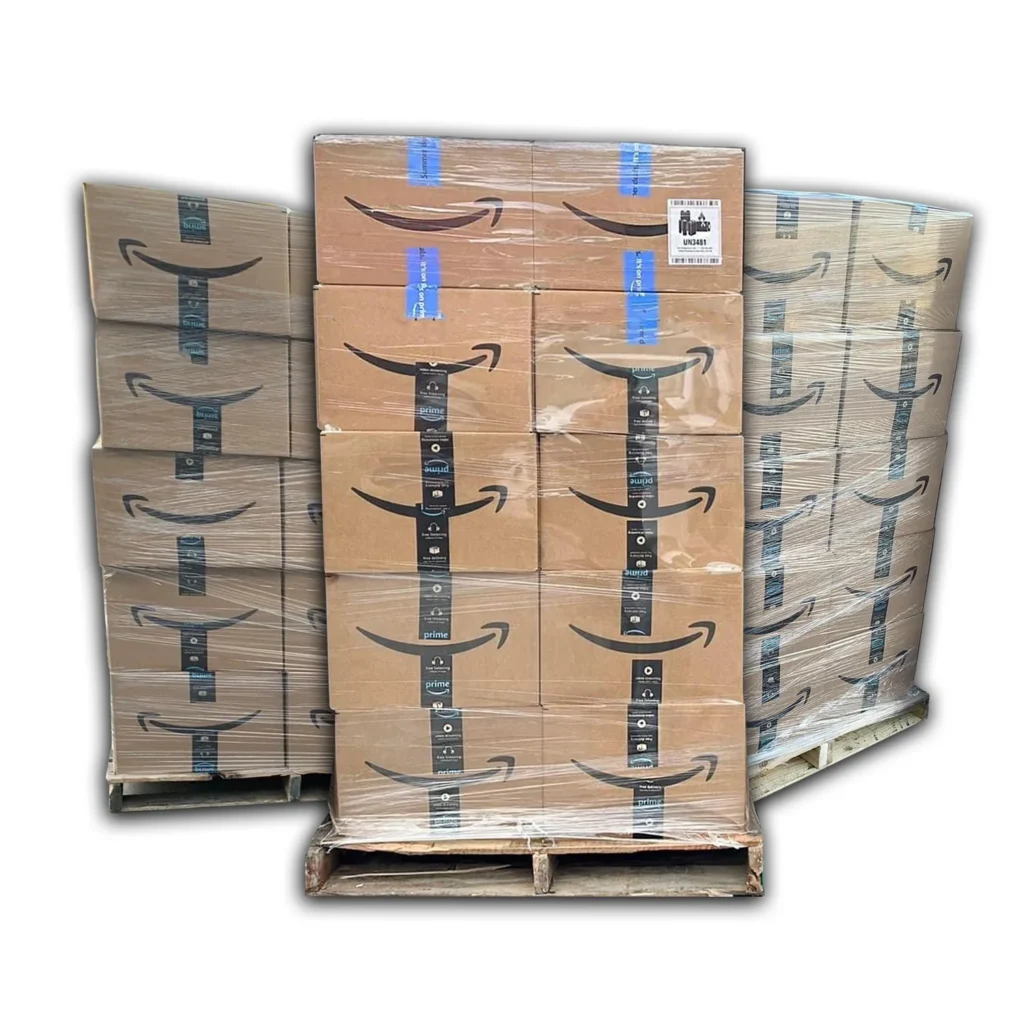
Amazon Mystery Box
$850.00 -
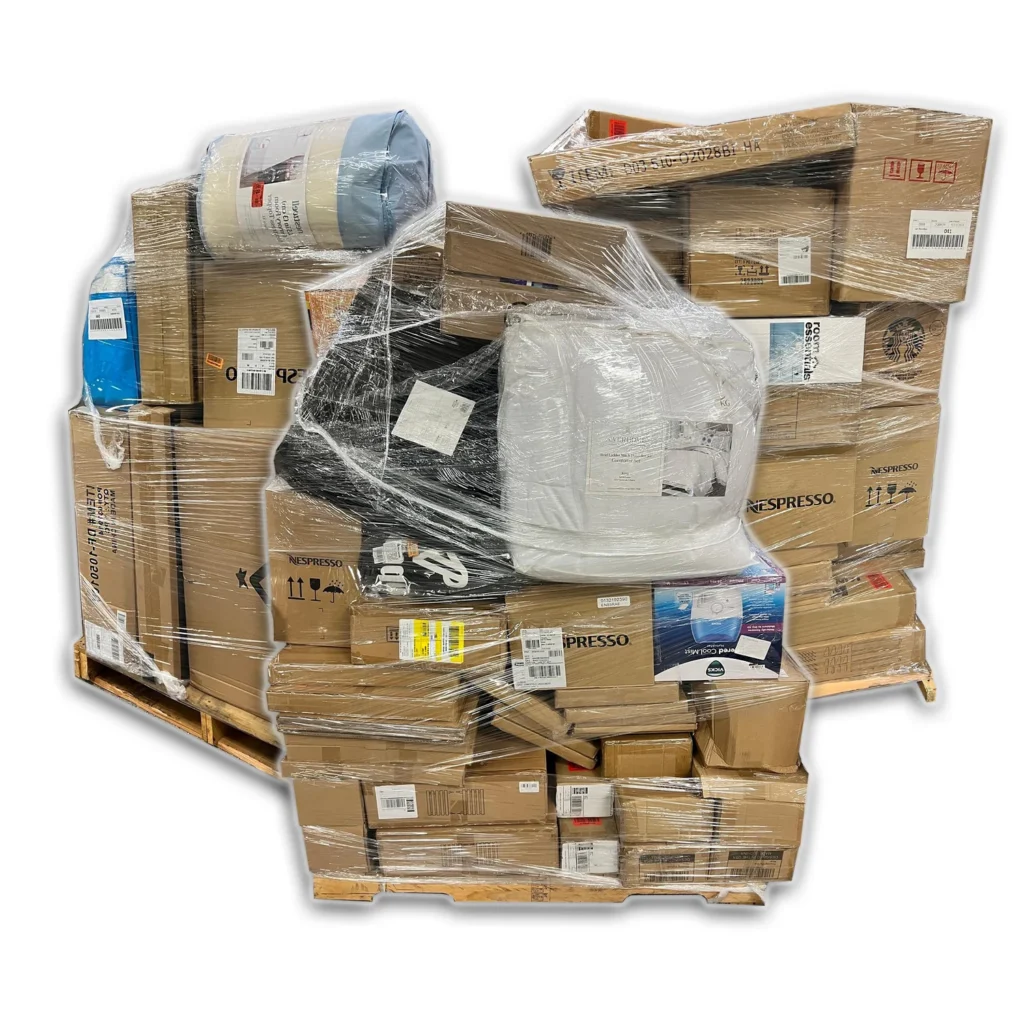
Amazon Overstock
$630.00 -
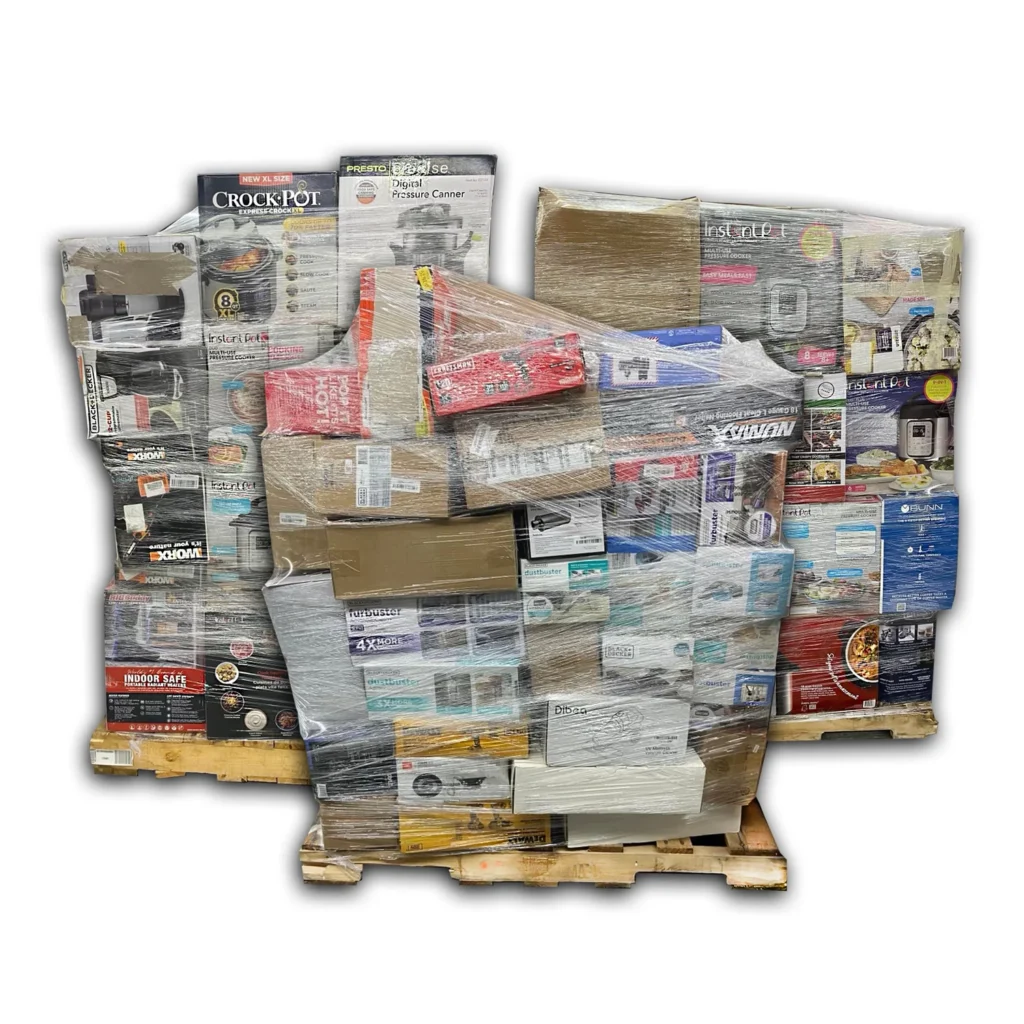
Amazon Premium
$650.00 -
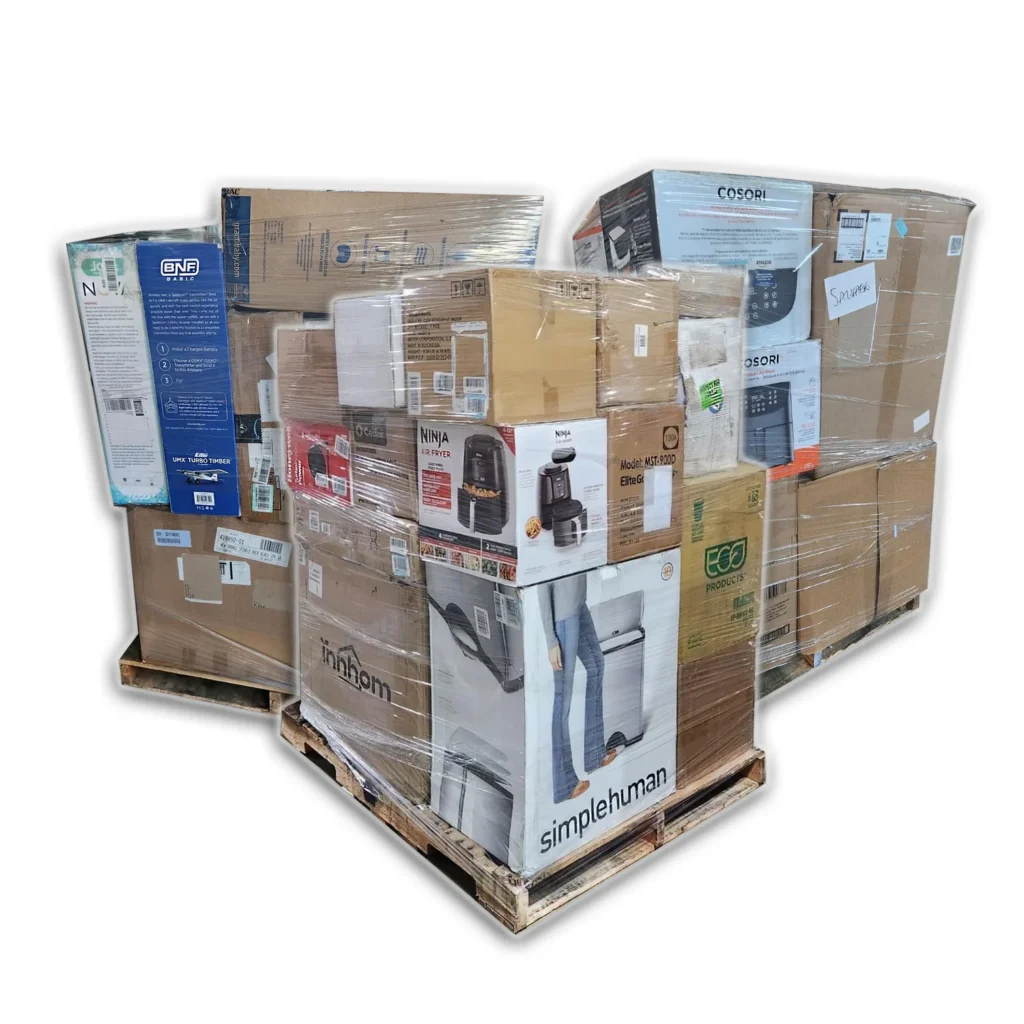
Amazon Savage Return
$550.00
